Movement
shouldn't wait.
For toddlers who are blind, every step starts with touch. The Pediatric Belt Cane gives them continuous feedback — so they can begin to move, balance, and explore the world on their own.
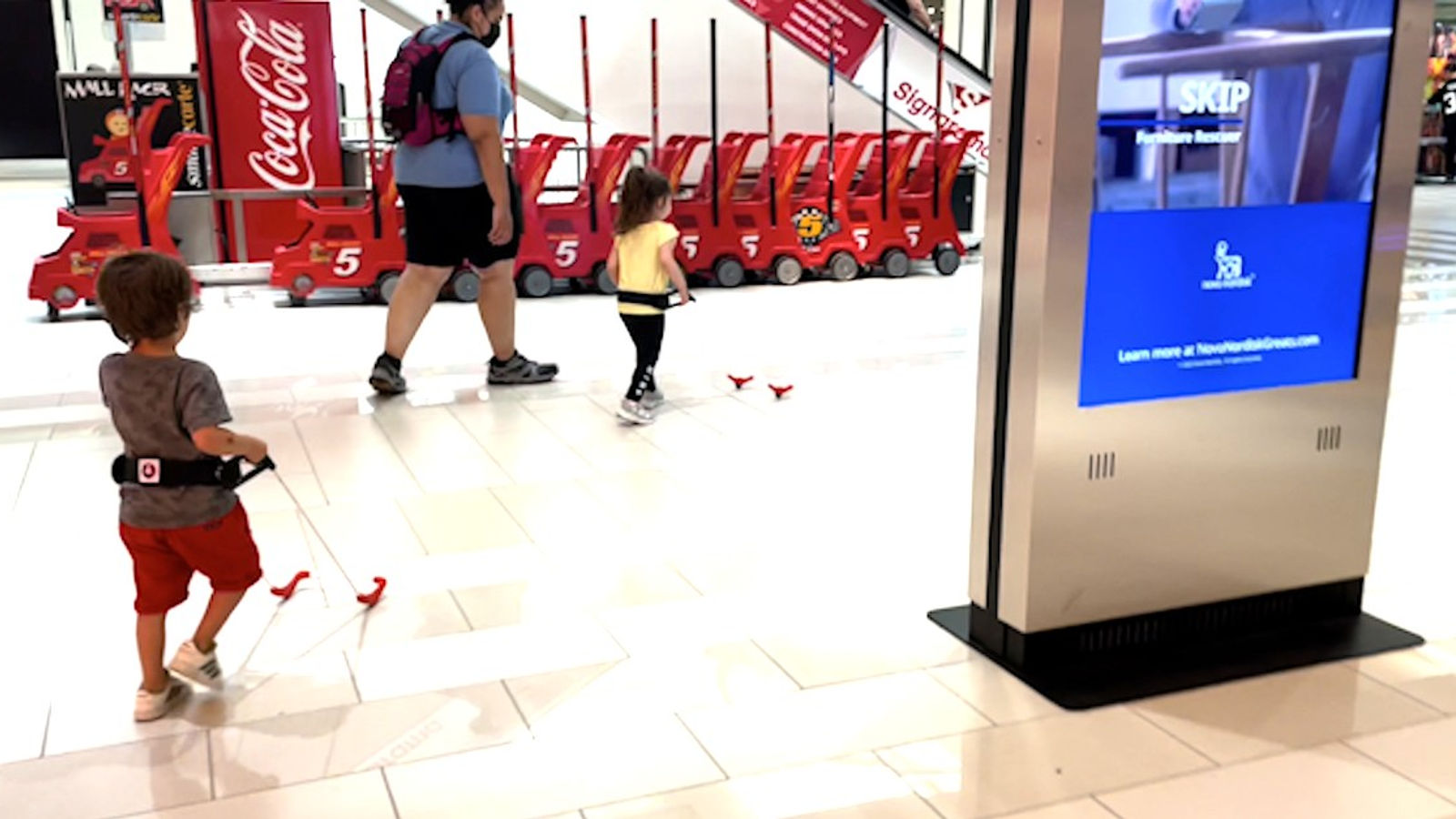
Why children with blindness start moving with the Pediatric Belt Cane.
Children with mobility visual impairment or blindness (MVI/B) don't rely on vision to move — they rely on touch. That's why they reach for hands, walls, or furniture before taking a step. The Belt Cane provides that same connection, continuously, just ahead of the body.
Always in contact with the environment — not just occasional input.
No need to hold on to feel secure.
Children start, stop, and change direction independently.
Sized for kids beginning around 10 months, growing into older childhood.
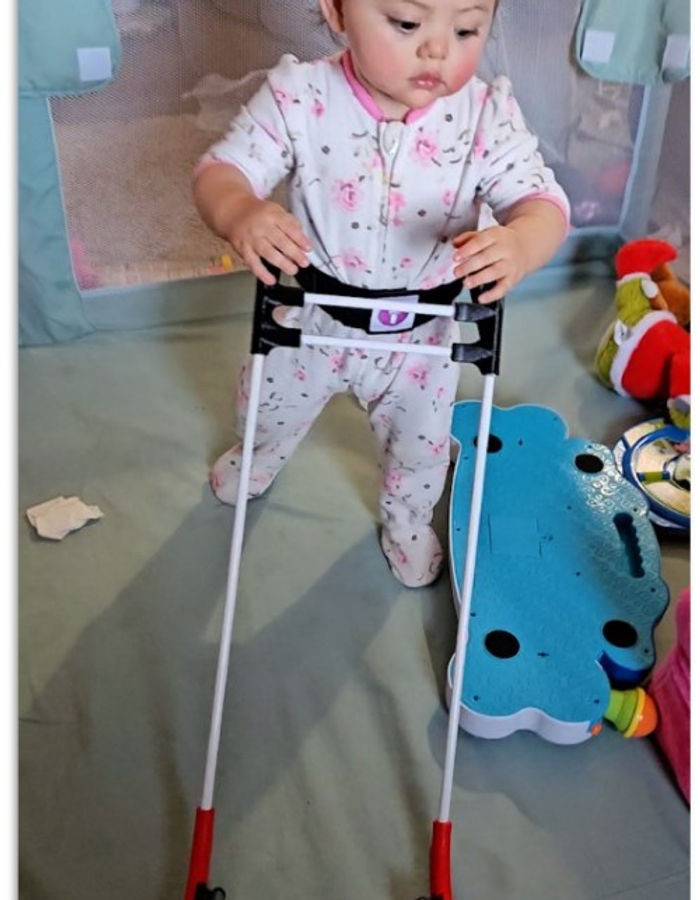
What makes movement possible
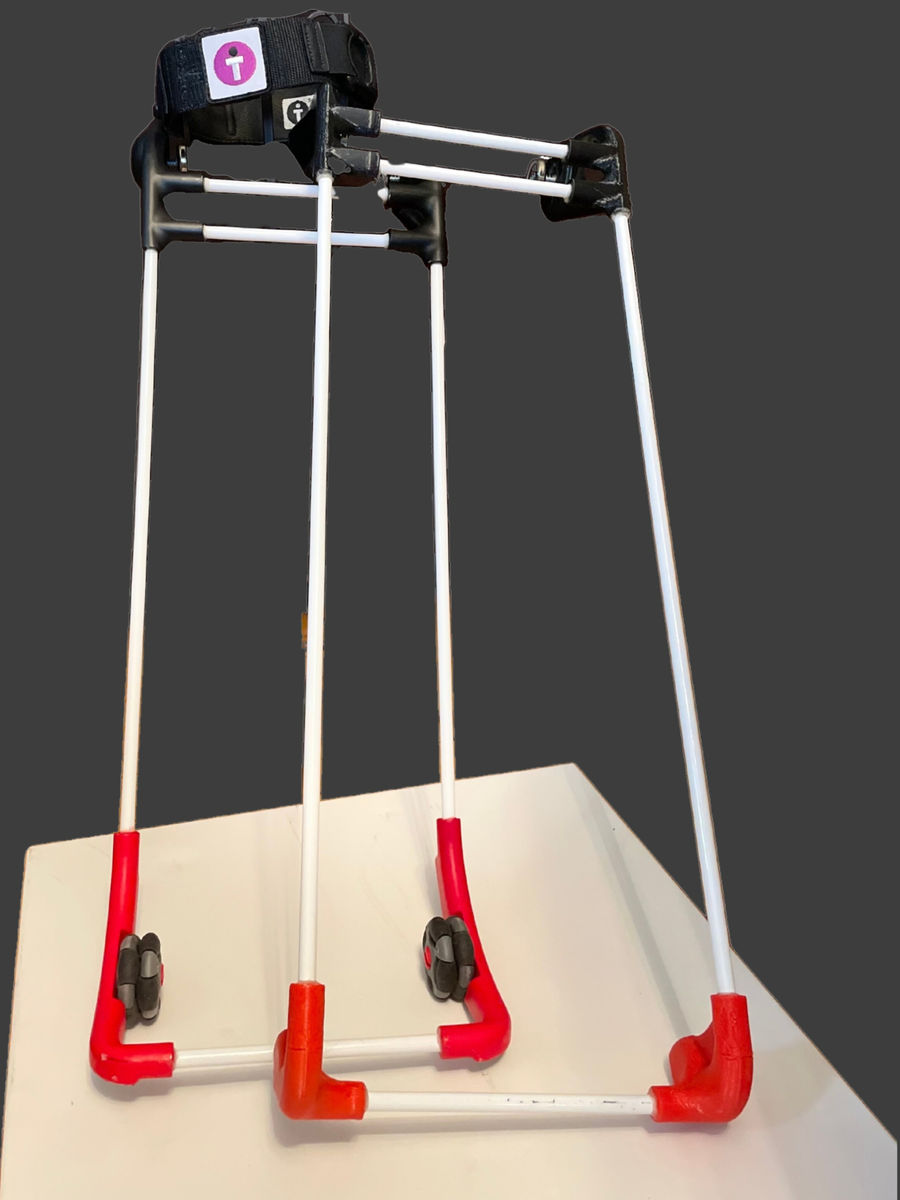
Simple by design. Powerful in use. A wearable system that keeps consistent touch feedback in front of the child as they move.
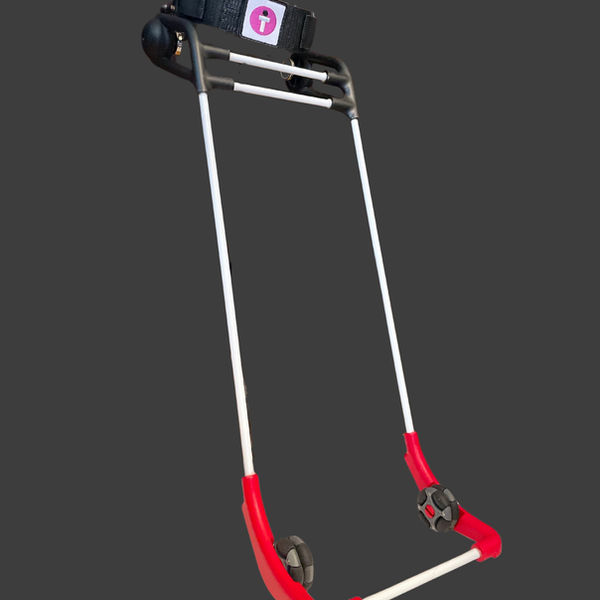
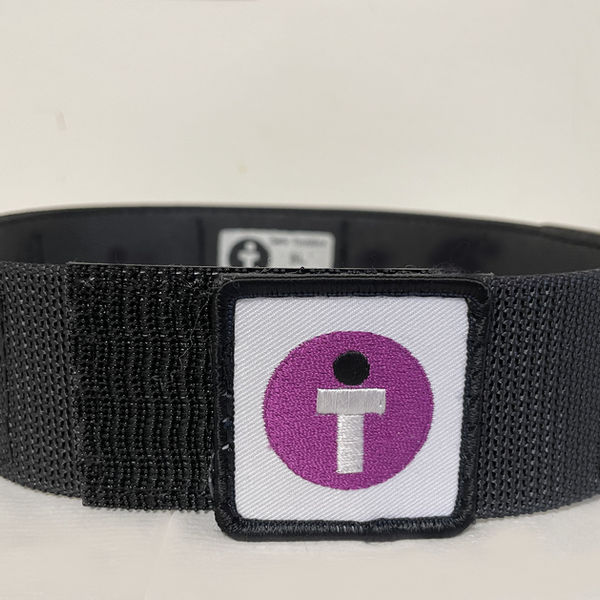
- Worn at the waist
A structured belt keeps the system comfortably in place — so the child can move hands-free.
- Guided forward frame
Lightweight frames hold a consistent position in front, giving reliable feedback every step.
- Built for real environments
Interchangeable cane frames glide across surfaces — indoors, outdoors, and everywhere in between.
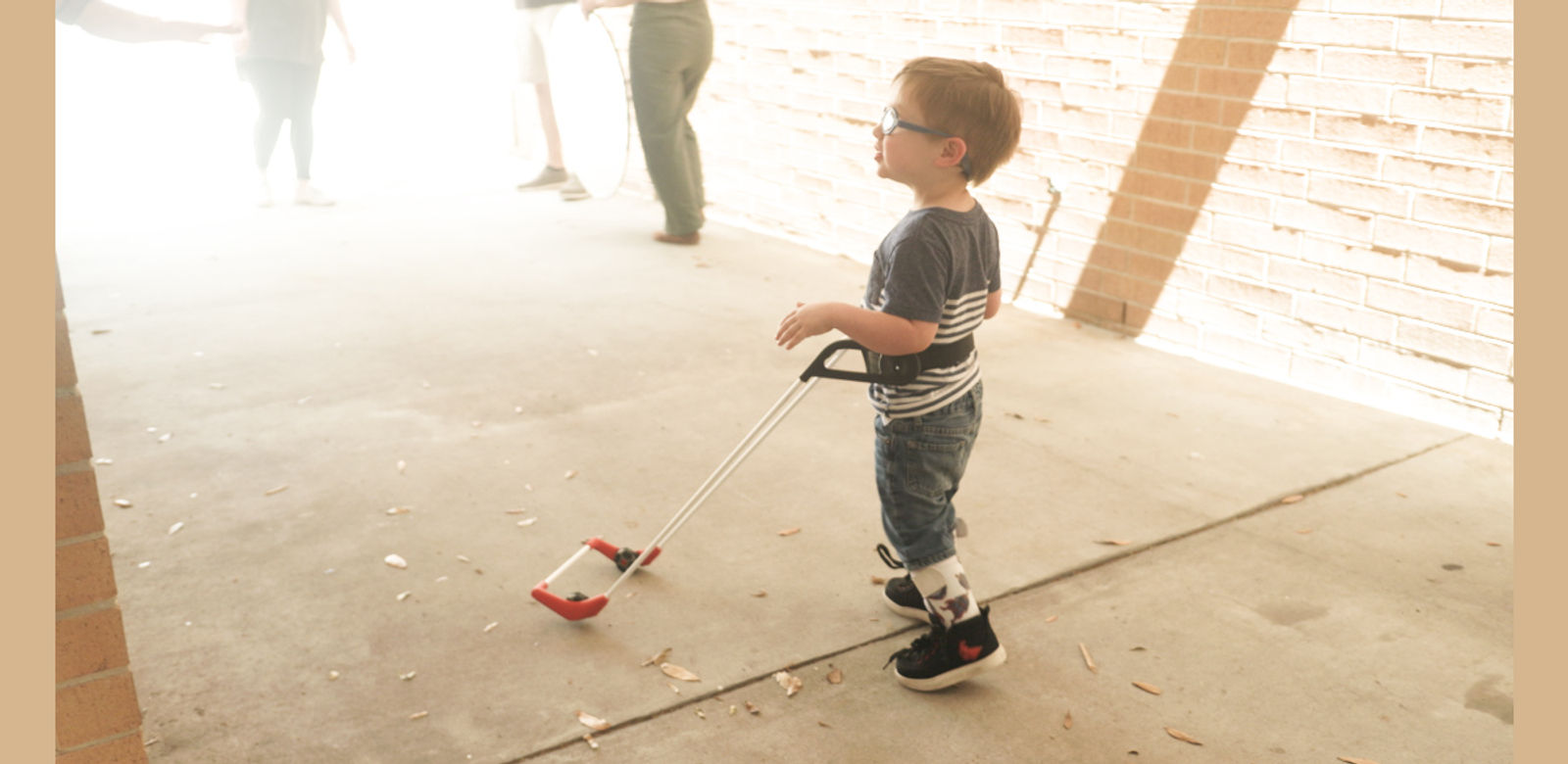
In use: hands-free, self-initiated movement.
System: belt + frame = consistent forward feedback throughout the day.
Why common approaches fall short.
Supports movement with an adult — but not independence. When the hand is gone, movement stops.
Offers temporary security, but limits exploration and keeps children at the edges of spaces.
Builds skills in sessions — but progress depends on repetition throughout the day.
Designed for older users and intermittent use — not for young children learning to move with continuous feedback.
Find the right Belt Cane.
Custom-sized sets, dual-cane systems, big-kid frames, and specialty options.
What parents are seeing.
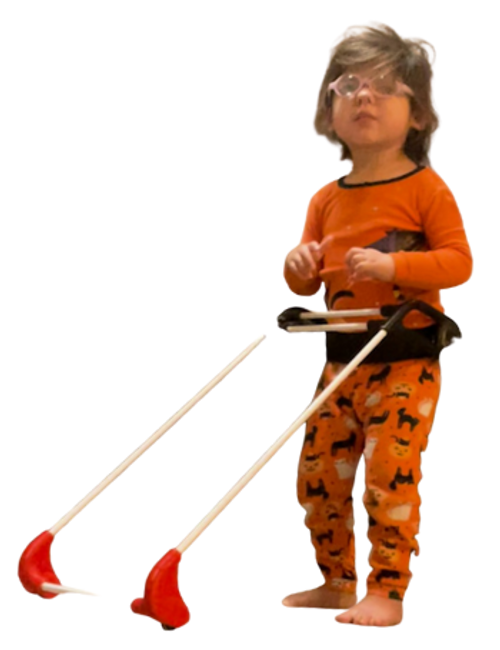
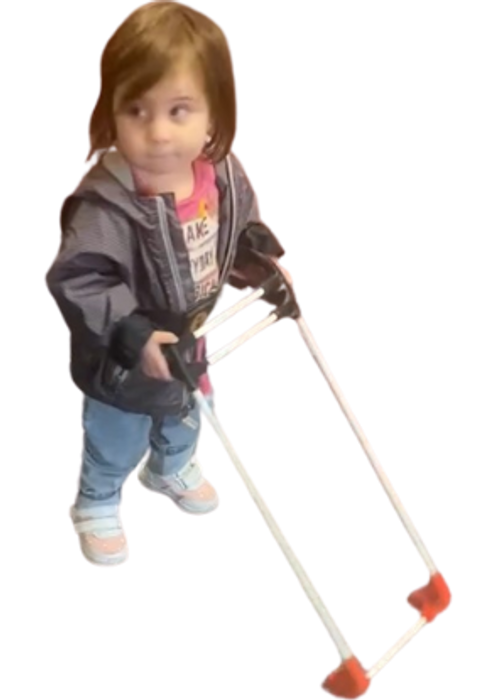
Our blind son Victor started using a Pediatric Belt Cane at 11 months, and it has been a game-changer. His doctors said his motor skills would be delayed. They are not. Early mobility changed what was once thought impossible — on-time walking development.
Choose the path that matches your situation.
We'll guide you through every step — from sizing to funding to documentation.
For families who need reduced pricing due to documented financial need.
Apply for SupportFor schools, therapists, or caregivers who need justification materials.
Get DocumentationFor DMEs, therapists, or organizations requesting quotes or bulk orders.
Request QuoteFrom external support to independent movement.
Children with mobility visual impairment rely on touch for balance and orientation. Without consistent feedback, they naturally seek hands, walls, or furniture for stability.
The Belt Cane provides continuous tactile feedback just ahead of the child — so they can move away from external supports and explore their environment with confidence. Over time, movement shifts from being guided to being self-initiated.
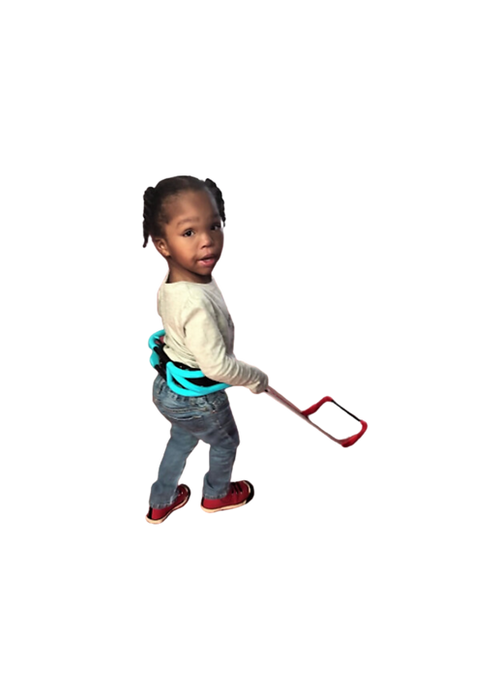
Help a toddler take their first independent step.
Your gift supports the families and professionals who need a Belt Cane — without unnecessary barriers. 100% of your contribution funds devices and the support that gets them into a child's hands.
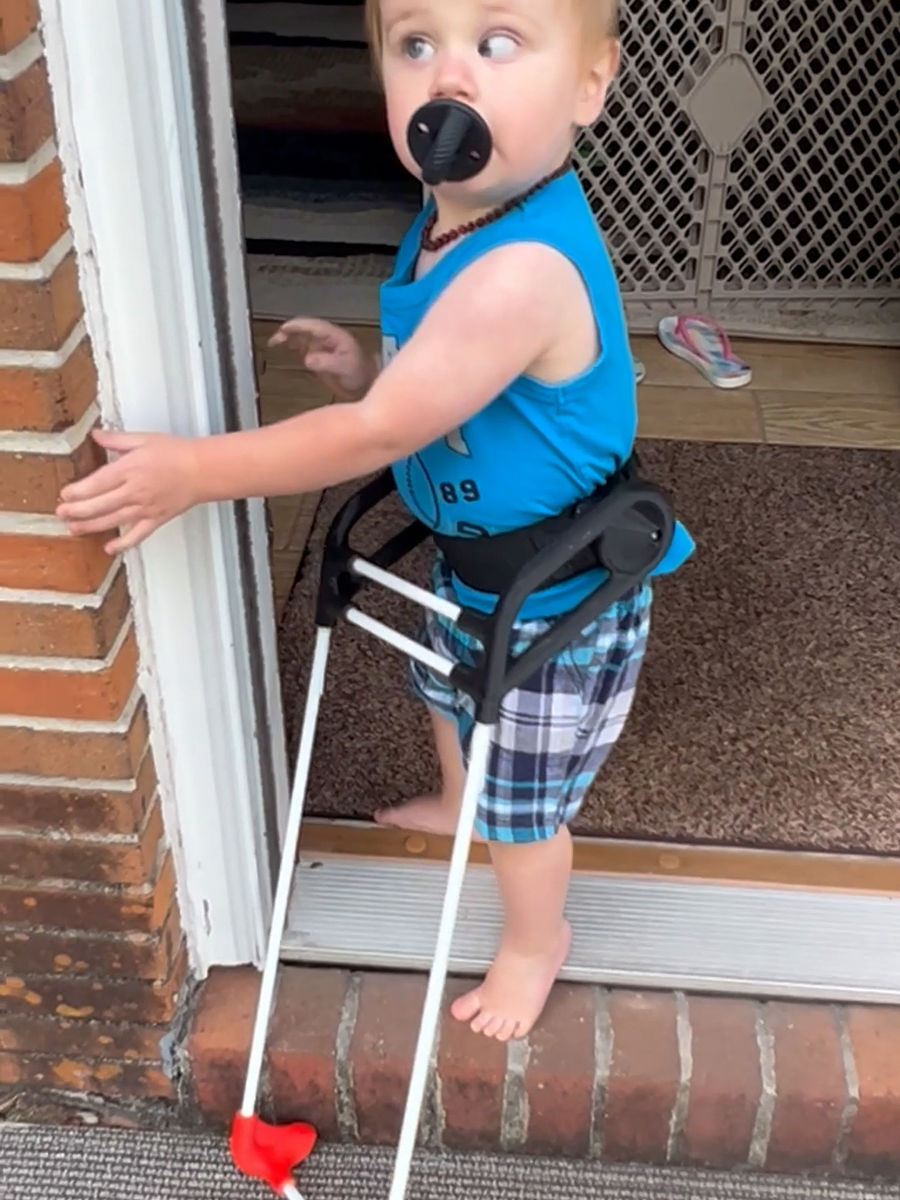

About Safe Toddles
A 501(c)(3) Nonprofit
Safe Toddles was founded to address a gap many families experience early in a child's development: limited access to consistent, body-centered feedback needed for independent movement.
For children who are blind or have a mobility visual impairment, touch is the primary source of orientation and balance. Without consistent feedback throughout the day, movement often depends on external support rather than self-initiation.
Our Pediatric Belt Cane is designed to provide that continuous feedback — supporting children as they begin to move, explore, and develop independence in everyday environments.